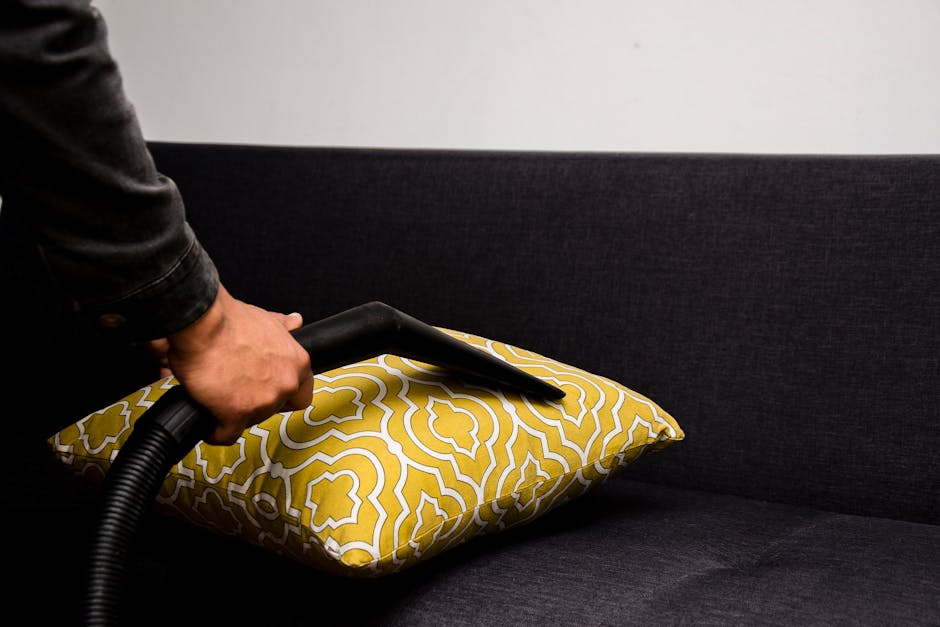
Amhurst Park Upholstery Cleaning Expert Advice Stamford Hill
If your sofa looks tired, the armchair has picked up that faint musty smell, or the dining chairs have survived one too many tea spills, you are in the right place. This guide on Amhurst Park upholstery cleaning expert advice Stamford Hill is built to help you make better decisions about cleaning, care, and when to bring in a professional. Upholstery is one of those things people notice when it goes wrong, then forget about when it looks fine. Truth be told, it only takes a few small habits to keep it looking fresher for longer.
In Stamford Hill and around Amhurst Park, homes and businesses deal with everyday wear: street dust, food marks, pet odours, moisture, and general dulling from constant use. This article explains how upholstery cleaning works, what results to expect, which mistakes to avoid, and how to judge whether a method suits your fabric. You will also find practical steps, a comparison table, a real-world example, and a checklist you can use before booking any cleaning.
Table of Contents
- Why Amhurst Park upholstery cleaning expert advice Stamford Hill Matters
- How Amhurst Park upholstery cleaning expert advice Stamford Hill Works
- Key Benefits and Practical Advantages
- Who This Is For and When It Makes Sense
- Step-by-Step Guidance
- Expert Tips for Better Results
- Common Mistakes to Avoid
- Tools, Resources and Recommendations
- Law, Compliance, Standards, or Best Practice
- Options, Methods, or Comparison Table
- Case Study or Real-World Example
- Practical Checklist
- Conclusion
- Frequently Asked Questions
Why Amhurst Park Upholstery Cleaning Expert Advice Stamford Hill Matters
Upholstery is not just fabric on a frame. It is a mix of textile, foam, stitching, dyes, padding, and sometimes coatings that all react differently to water, heat, friction, and chemicals. That is why a one-size-fits-all approach can backfire. A method that works beautifully on one sofa can leave another looking watermarked, flattened, or even permanently damaged.
In a busy Stamford Hill household, upholstery often gets more daily contact than people realise. The back cushions collect body oils, the seat edges pick up dust, and the areas around arms and headrests often darken first. If you have children or pets, the pace of wear can be a bit relentless. Professional-quality advice matters because it helps you clean safely, not just quickly.
It also matters for value. Good furniture is expensive to replace, and some older pieces have proper character. A well-kept chair, sofa, or chaise can change how a room feels at once. Clean upholstery looks calmer, smells fresher, and generally makes the whole space feel more looked after. Small thing, big difference.
Expert takeaway: upholstery cleaning is really about fabric identification, moisture control, and stain treatment in the right order. Get those three things right, and the results usually improve dramatically.
How Amhurst Park Upholstery Cleaning Expert Advice Stamford Hill Works
Good upholstery cleaning begins before any machine is switched on. A proper process usually starts with checking the fabric type, the condition of the stitching, the age of the item, and any warning labels or care instructions. That first look tells you whether the material can take wet cleaning, needs low-moisture treatment, or is safer with a very controlled dry method.
The next step is usually dry soil removal. This sounds boring, but it is crucial. Loose dust, crumbs, hair, and grit should be lifted first because rubbing them into the fabric during cleaning can create abrasion. After that, targeted stain treatment is applied where needed, then the main clean follows. Depending on the upholstery, this might involve hot water extraction, low-moisture foam, specialist stain work, or a gentle hand-cleaning approach.
Drying is where a lot of people go wrong. If furniture is left damp too long, you may notice a stale smell, slow drying on thick cushions, or a temporary stiff feel in the fibres. In cooler rooms, especially during a grey London afternoon, it can take longer than expected. Good practice is to keep air moving and avoid using the furniture too soon.
If you want a broader sense of how upholstery cleaning fits into whole-home fabric care, it can help to look at related services such as sofa cleaning, stain removal, and pet stain odour removal. Those pages are useful if your issue is not just general grime but a specific problem like a spill or a lingering pet smell.
Key Benefits and Practical Advantages
The obvious benefit is appearance. Clean upholstery looks brighter, less patchy, and more comfortable to live with. But the less obvious gains are often the ones people appreciate most a week later.
- Better indoor freshness: fabrics can hold odours from cooking, pets, smoke, and daily use.
- Longer fabric life: embedded grit and residue can wear fibres down over time.
- Better comfort: cleaned upholstery tends to feel softer and less sticky.
- Improved presentation: especially useful for landlords, hosts, offices, and reception areas.
- More confident stain treatment: acting early often stops marks from setting.
There is also a practical housekeeping benefit. Once a sofa or dining chair is properly cleaned, ongoing maintenance becomes simpler. Dusting, vacuuming, and light spot care take less effort because the surface is not already carrying a layer of old grime. That can be a relief, frankly.
For people balancing home and work life, the convenience matters too. If you know the right approach from the start, you avoid repeated attempts with random sprays and half-working remedies. Less faff, better outcome.
Who This Is For and When It Makes Sense
This advice is useful for homeowners, tenants, landlords, letting agents, office managers, hospitality operators, and anyone responsible for soft furnishings that get regular use. In Stamford Hill and nearby streets, common reasons people look into upholstery cleaning include:
- food and drink spills on sofas or chairs
- pet hair, paw marks, and lingering smells
- general darkening on arms and headrests
- allergy concerns linked to dust build-up
- pre-move cleaning before a tenancy change
- pre-sale or pre-rental presentation
- refreshing older furniture instead of replacing it
It also makes sense if the furniture is still structurally sound but looks worn out. A lot of pieces are not "finished" at all; they just need careful cleaning and the right technique. On the other hand, if the fabric is torn, threadbare, or heavily sun-damaged, cleaning may improve appearance only to a point. That is worth saying out loud.
A useful rule of thumb: if the item is valuable, sentimental, or awkward to replace, expert advice is usually worthwhile before trying anything aggressive at home.
Step-by-Step Guidance
Here is a straightforward way to think through upholstery cleaning without overcomplicating it.
- Identify the fabric. Check labels, test areas, and note whether the material is delicate, synthetic, blended, or natural.
- Inspect for problem spots. Look for grease, ink, food, pet mess, water marks, or fading.
- Vacuum thoroughly. Use a brush attachment and work into seams, corners, and piping.
- Spot-test any product. Even mild products can alter colour or texture.
- Treat stains individually. Do not scrub everything at once; tackle each issue as its own job.
- Choose the right cleaning method. Wet cleaning is not always best, especially for delicate upholstery.
- Control moisture. Use only the amount needed, then remove residue promptly.
- Speed up drying safely. Ventilation matters. Open windows if appropriate, and keep the room aired.
- Check the finish. Look for wick-back stains, rings, or rough patches once dry.
One small but important point: never treat a stain only at the top surface and assume it is gone. Spills can migrate into the cushion, then return as the fabric dries. That annoying little reappearance is more common than people expect.
If you are dealing with furniture as part of a wider clean, it can help to coordinate upholstery with carpet cleaning or even steam carpet cleaning so the room dries and is reset in one go rather than in bits and pieces.
Expert Tips for Better Results
Some advice sounds obvious until you are standing there with a sponge in one hand and a half-used stain remover in the other. Then it matters a lot.
- Work from the outside of a stain inward. This helps avoid spreading the mark.
- Blot, do not rub. Rubbing can distort fibres and push the stain deeper.
- Use minimal moisture first. You can always add more; taking it back out is harder.
- Mind the foam. Cushion interiors often need a different approach from the visible surface.
- Keep a neutral mindset about "quick fixes". Some household sprays smell strong but do very little.
- Allow enough dry time. A sofa that feels "nearly dry" may still hold moisture in the core.
Here is a very practical tip from everyday experience: if the room smells slightly sweet and damp after cleaning, it often means the fabric or padding is still drying. That is not necessarily a disaster, but it is a sign not to rush. Let the air do its job.
If odours are part of the problem, pairing the clean with focused treatment can help. In some cases, people also need help with curtains or rugs, so related pages such as curtain cleaning and rug cleaning may be useful alongside upholstery work.
Common Mistakes to Avoid
Most upholstery problems after cleaning are caused by overconfidence, not bad luck. To be fair, it is easy to assume furniture is tougher than it is.
- Using too much water. This can leave marks, slow drying, or cause odours.
- Skipping the fabric test. One test spot can save you a costly mistake.
- Scrubbing with a stiff brush. That can roughen pile and distort the weave.
- Mixing products. Different cleaners can react badly together.
- Ignoring the cushion interior. Surface cleaning alone may not solve smell or staining.
- Using heat too early. Hot air can set certain stains if used carelessly.
- Assuming all "safe for upholstery" products are equal. They are not.
A classic one is trying to remove a fresh stain with a kitchen towel, then panic-rubbing after the first blot leaves a shadow. The result? A bigger, wetter patch and a still-visible mark. Happens all the time. Don't beat yourself up, but do slow down next time.
If you are unsure, it is often better to stop and seek proper advice rather than keep going. A small pause can prevent a permanent ring or colour loss.
Tools, Resources and Recommendations
You do not need a cupboard full of gadgets, but a few sensible items make upholstery care easier:
- a vacuum with a soft brush attachment
- a clean white microfibre cloth
- an upholstery-safe spot treatment
- a soft suede or fabric brush where appropriate
- a small bowl of lukewarm water for light blotting
- good airflow in the room during drying
For people who want a more complete home-care plan, it can also be sensible to think about surrounding items. Furniture, carpets, mattresses, and rugs often age together. That is why some households combine upholstery care with mattress cleaning or broader stain treatment work at the same time.
If you are comparing providers, make sure you also look at how they handle trust, safety, and payments. Useful pages to review include insurance and safety information, health and safety policy, payment and security, and terms and conditions. If you want to understand the business better, about the company is also worth a look.
Law, Compliance, Standards, or Best Practice
Upholstery cleaning is not usually a heavily regulated consumer activity in the way some trades are, but good providers should still follow sensible UK business and safety practices. That means clear communication about what they can and cannot clean, careful handling of chemicals, proper insurance, and respect for your property.
In practice, best behaviour looks like this: identify risks before work starts, protect adjacent surfaces, explain likely outcomes honestly, and avoid promising miracles on delicate or badly damaged fabrics. If a piece is fragile, sun-faded, or already weak, it is better to say so plainly. No drama. Just honesty.
If you are letting someone into your home or premises, you should expect clean working habits, reasonable timekeeping, and a respectful approach to belongings. That is basic professional conduct, but it matters. You are not just paying for cleaning; you are paying for care.
For customers who care about environmental impact, it can be worth checking how waste, packaging, and water use are handled. A responsible approach to recycling and sustainability is a good sign that the business thinks beyond the job in front of them.
Options, Methods, or Comparison Table
Different upholstery situations call for different methods. The best choice depends on fabric type, stain type, and how much drying time you can allow.
| Method | Best for | Strengths | Watch-outs |
|---|---|---|---|
| Vacuum and dry brush | Light maintenance, dust, hair | Fast, safe, no drying time | Won't remove set stains or odours |
| Spot cleaning | Fresh spills, localised marks | Targeted and economical | Can leave rings if over-wet |
| Low-moisture cleaning | Delicate fabrics, quick turnarounds | Shorter drying time | May need more than one pass |
| Hot water extraction | Many synthetic upholstery types | Deep soil removal, strong refresh | Not suitable for every fabric |
| Specialist stain treatment | Ink, grease, pet issues, unknown marks | Focused and more precise | Requires experience and fabric testing |
In plain English, the "best" method is the one that cleans effectively without damaging the item. That sounds simple, but it is the whole game really.
If you are dealing with commercial seating rather than domestic sofas, the decision changes again. Offices, salons, waiting areas, and hospitality spaces may need quicker drying and a stronger maintenance schedule. In those cases, commercial carpet cleaning can sit alongside upholstery care as part of a wider upkeep plan.
Case Study or Real-World Example
A practical example makes this easier to picture. Imagine a family sofa in a Stamford Hill living room after a wet winter. The seats have softened with daily use, the armrest has darkened, and there is a faint smell from an old drink spill that was never fully dealt with. Nothing dramatic. Just that slightly lived-in look that sneaks up on you.
The sensible approach would be:
- vacuum the whole piece thoroughly, including the seams
- test a small hidden area for colour stability
- treat the visible spill mark separately from the general soil
- clean the arms and seat fronts with a controlled method
- allow steady airflow for drying
- check the piece again once fully dry for any returning stains
In a case like this, the biggest win is often not dramatic bleaching or fancy products. It is the careful combination of restraint and precision. The sofa ends up looking cleaner, smelling better, and feeling more comfortable without that "wet fabric" after-effect. A simple job, done properly. That is usually what people want.
Sometimes the real-world lesson is this: cleaning is rarely one single action. It is a sequence of sensible decisions, each one helping the next.
Practical Checklist
Use this quick checklist before cleaning or booking upholstery work:
- Identify the fabric type if possible
- Check for labels, damage, or weak stitching
- Vacuum thoroughly before any liquid treatment
- Spot-test any cleaner in a hidden area
- Match the method to the fabric, not the other way round
- Treat stains gently and individually
- Avoid over-wetting cushions and seams
- Allow proper drying time with ventilation
- Keep pets and children off the item while it dries
- Review the final result in daylight, not just under indoor lighting
If you are booking a service, it also helps to check the practical side of the experience. Good providers should be clear about pricing, expected outcomes, and any access needs. A straightforward pricing and quotes page can make the decision easier, and if you need to ask questions directly, a proper contact route is essential.
Get a free quote today and see how much you can save.
Conclusion
Amhurst Park upholstery cleaning expert advice Stamford Hill is really about making smarter choices before damage happens. Once you understand the fabric, respect the moisture, and treat stains with a bit of patience, upholstery care becomes far less stressful. You do not need to guess, and you definitely do not need to attack every mark with the nearest spray.
The best results usually come from calm, careful action: vacuum first, test first, treat gently, and let things dry properly. If the item is valuable or the stain is stubborn, expert help can save time and reduce risk. That is especially true with delicate fabrics, lingering odours, and furniture that has to look presentable in a hurry.
At the end of the day, clean upholstery changes the feel of a room in a quiet, satisfying way. Not flashy. Just better. And that is often enough.
Frequently Asked Questions
What is the best way to clean upholstery without damaging it?
The safest approach is to identify the fabric first, vacuum thoroughly, spot-test any cleaner, and use the least moisture needed. If the upholstery is delicate or the stain is unknown, a cautious method is better than an aggressive one.
How often should upholstery be professionally cleaned?
It depends on use, pets, children, and how quickly the fabric shows soil. Many people wait until the furniture looks noticeably dull, but regular maintenance is usually better than leaving it for years.
Can I use a steam cleaner on a fabric sofa?
Sometimes, but not always. Steam or hot-water methods suit some synthetic fabrics and furniture in good condition, but they can be unsuitable for delicate, natural, or colour-sensitive upholstery. Always test first.
Why does a stain sometimes come back after cleaning?
That is often due to wick-back, where residue from deeper in the cushion rises as the fabric dries. It is common enough, and it is why drying and repeat checking matter.
What should I do with a fresh spill on upholstery?
Blot it gently with a clean cloth, work from the outside inward, and avoid rubbing. If possible, keep the area lightly ventilated and do not flood it with water or product.
Is upholstery cleaning safe for pets and children?
It can be, provided suitable products and sensible drying times are used. Keep children and pets away from damp furniture until it is fully dry, and avoid using harsh chemicals unless they are appropriate for the fabric.
How do I know whether my upholstery needs wet cleaning or dry cleaning?
The fabric label, weave type, and colour fastness usually guide the decision. When in doubt, a low-moisture or specialist approach may be safer than a full wet clean.
Can upholstery cleaning remove odours?
Often, yes, especially when the odour is caused by everyday build-up, spills, or pet contact. Deep or long-standing smells may need more targeted treatment, such as pet stain odour removal.
What are the most common mistakes people make at home?
The biggest ones are over-wetting, scrubbing too hard, skipping a spot-test, and using strong products without knowing the fabric type. Those are the usual culprits, honestly.
Should I clean my sofa and carpet at the same time?
If both need attention, doing them together can be practical because it reduces disruption and helps the whole room feel refreshed at once. It also makes drying and rearranging furniture easier to manage.
What should I ask before booking an upholstery cleaner?
Ask about fabric suitability, stain handling, drying time, insurance, pricing, and what outcomes are realistic. It is also sensible to review company details such as their insurance and safety information, health and safety policy, and terms and conditions.
Will upholstery cleaning make old furniture look brand new?
Not always. It can make a big difference to colour, freshness, and appearance, but it cannot reverse wear, fading, or physical damage. A careful cleaner should explain that plainly rather than overselling it.